
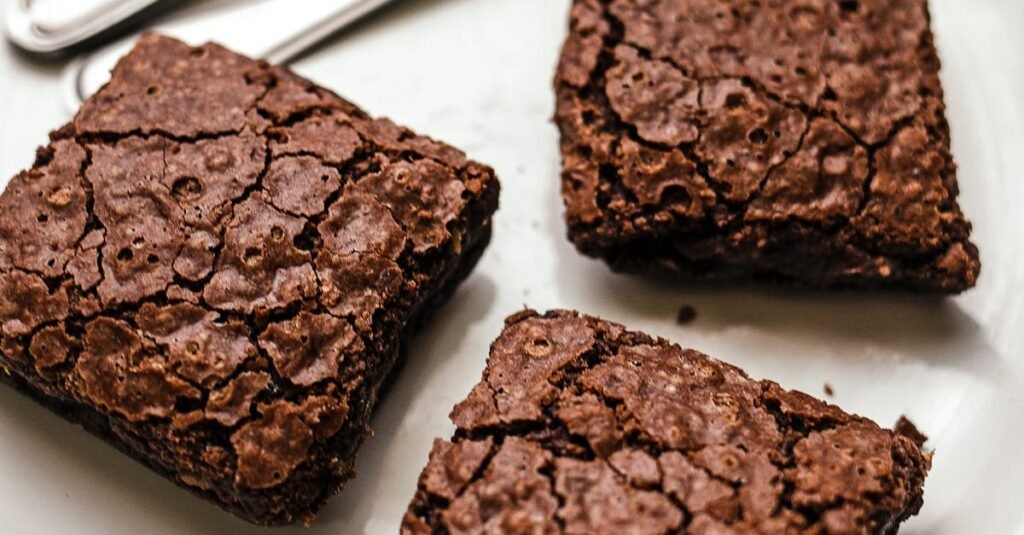
Science-Backed Brownie Recipe: Why Fat is the Fudge Secret
Forget those glossy cookbooks and guarded family recipes. Believe it or not, the perfect brownie might actually be a science experiment in disguise. Food scientists took a good look and nailed down something simple but huge: fat is the real MVP for making brownies fudgy and rich, not cakey wannabes. This science-backed brownie recipe flips everything you thought you knew about baking brownies. It’s not about fancy secrets or tricky moves. It’s all about the chemistry happening in your mixing bowl.
The Fat-Fudge Equation
So, what’s the scoop? Researchers compared tons of recipes and broke down the results. Spoiler alert: it wasn’t the brand of chocolate or a magic stirring technique that won the day. It boiled down to one thing—the fat-to-flour ratio. More fat means the brownie stays dense, moist, and fudgy. Plain and simple.
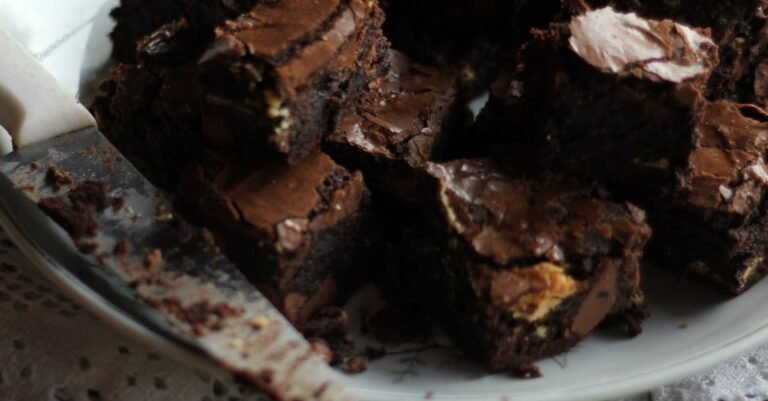
You’ve probably heard the age-old debate: fudgy vs. cakey brownies. Cakey ones pack in more flour and sometimes use baking powder to rise and feel lighter, more like chocolate cake bars. But real fudgy brownies? Think dense, gooey, rich—close to chocolate truffles or fudge candy. For years, people just chalked it up to personal taste or old family recipes.
Why Fat Wins Every Time
Here’s the kicker: fat does a bunch of jobs that science lays out clearly. First up, it coats the flour proteins, which means they don’t link up to form tough gluten. Translation? Less chew, more melt-in-your-mouth goodness.
This is a game changer for home bakers. Instead of blindly following a recipe, you can now eyeball the fat levels. If your brownies turn out dry or cakey, check your fat. This isn’t new info to pro bakers—big bakeries nail these ratios every time to get that perfect texture.
The Key Data for Perfect Brownies
- More butter or oil wraps around flour, stopping gluten from forming too much.
- Sugar grabs onto water, teaming up with fat to keep brownies moist way after baking.
- Egg yolks add extra fat and emulsifiers, making batter super smooth.
- No baking powder or rising agents means no unwanted puffiness or air bubbles.
- Finer sugars like caster sugar dissolve better in fat, making texture uniform.
The Future of Home Baking
What’s next? This science approach is coming to kitchens everywhere. We’re moving past just copying recipes to really getting what’s behind them. Soon, apps might check your ingredient ratios to make sure your brownies hit that perfect fudge mark. Cookbooks will start explaining the “why” not just the “how,” giving you the power to tweak recipes confidently instead of guessing.
Bottom line: fewer baking fails. With this knowledge, you can tweak any basic brownie recipe by adjusting fats and flours to get exactly the texture you want. Want to learn even more kitchen chemistry beyond just desserts? Check out this Related Source on cooking science basics.
Frequently Asked Questions:
Does this mean I should just add more butter to any brownie mix? Not quite. Adding liquid butter throws off the wet-to-dry balance, so you’d need to cut back a bit on other liquids like milk, or just stick to recipes made for higher fat from the start.
Can I use oil instead of butter for maximum fudge? Absolutely. Lots of folks say neutral oils actually make fudgier brownies than butter since oil doesn’t have water that evaporates during baking.
Does using darker chocolate automatically make brownies fudgier? Nope. Dark chocolate usually has less sugar and more cocoa solids, which act like dry ingredients and change ratios. The key is total fat compared to flour, no matter the chocolate type.