
Plastic Waste Fuel: Rich Nations Export Toxic Burning Problem
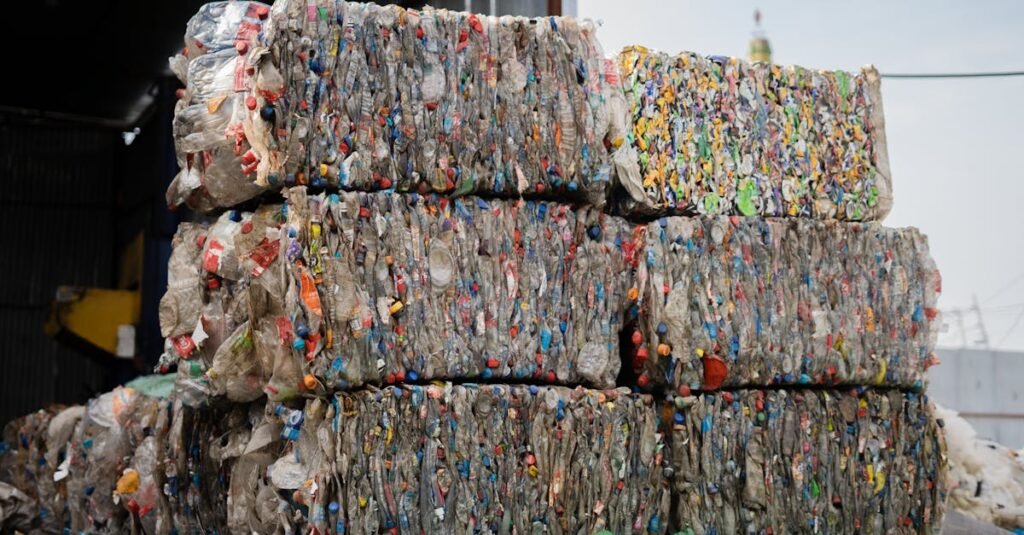
We all thought tossing plastic into the recycling bin did its job. Turns out, the truth is way messier. Most of our plastic gets shipped off to poorer countries—and guess what? They burn it as cheap fuel, turning entire communities into toxic hotspots no one wants to talk about. It’s the ultimate out-of-sight, out-of-mind nightmare. The garbage we throw away? It’s poisoning people thousands of miles away.
The Hidden Smoke Trail from Your Bin
Journalist Beth Gardiner dug deep and found a story people don’t like to hear. She tracked our “recycled” plastics all the way to places like Tropodo, Indonesia, where thick, nasty smoke fills the air—not from big factories, but tiny ones burning imported plastic to fuel tofu production. Yeah, you read that right.
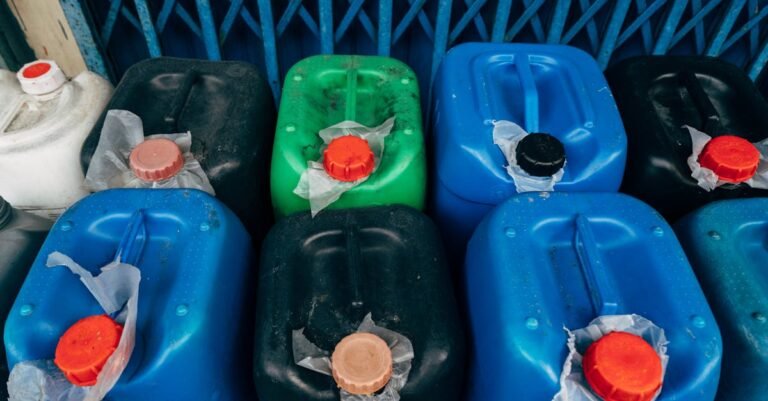
Here’s the kicker: This mess didn’t just happen by chance. In 2018, China slammed the door shut on most foreign plastic waste. Suddenly, wealthy countries freaked out and dumped their plastic problems on Southeast Asia and Africa instead—places with lax rules. Instead of being recycled, our plastics turned into cheap, deadly fuel. Not exactly the planet-saving move we hoped for.
Here’s The Real Deal With This Toxic Trade
Here’s the deal. Burning plastic isn’t just bad—it’s a full-on health disaster. It pours out a nasty mix of chemicals like dioxins, furans, mercury, and hydrochloric acid gas. Scary stuff.
The worst part? The folks living near these burn sites suffer huge health problems. Respiratory illnesses go through the roof. Kids cough constantly, skin gets irritated, crops get covered with ash, and toxins creep into the soil and water nearby. And here’s the brutal truth: These people didn’t make the mess, but they’re paying the price. Our throwaway lifestyle? It’s their lung problem now.
The Hard Numbers Behind The Smoke
- Studies show over 20% of plastic waste sent from rich countries to poorer ones ends up badly managed or burned.
- Burning plastics like PVC releases dioxins, some of the nastiest chemicals we know.
- Workers at these sites? Usually no masks or gear. They’re breathing poison all day.
- This practice also pumps black carbon (soot) into the air, making climate change worse.
- Why? Because plastic scrap is often cheaper fuel than wood in these places, fueling the problem.
A Future Clouded by More Smoke or Real Solutions?
If we keep going like this, smoke clouds—and the problems—will only get worse. Plastic production is set to triple by 2060. That means triple the junk burning if we don’t fix this mess.
Here’s the truth: We need to face facts. We make way too much single-use plastic, and our recycling systems are broken beyond repair. The fix? Build real recycling at home. A true circular economy means dealing with our trash ourselves—not shipping it out for others to burn. We have to fix it here. Want to dig deeper? Check out this related source.
Frequently Asked Questions:
Isn’t burning plastic for energy better than landfilling it?
Not when it’s done like this. If you have fancy incinerators with filters, maybe. But open-air burning? That’s a disaster. Toxic fumes spread everywhere, hitting innocent people hardest. Any energy gained is lost in the health damage left behind.
Why don’t these importing countries just ban this practice?
Many try, but it’s tough. Shipments often come mislabeled. Burning plastic gives cheap heat for small businesses. Plus, local officials feel stuck—turn down the waste and they lose money. Power and money make banning a hard fight.
What can I do about it as a consumer?
Step one: Use less plastic. Recycling isn’t the magic fix. Push for laws that make companies responsible for their plastic from start to finish. Get your local government to stop exporting mixed plastic waste. Your choices matter—but real change needs serious policy shifts.
We’ve been living a convenient lie. Rich countries pat themselves on the back for recycling bins while tossing their toxic mess on the world’s most vulnerable. The smoke over places like Tropodo tells a different story—a story we all need to hear. And guess what? We’re writing this story every time we shop without thinking. No more excuses. Own it. Demand action. Companies must be held accountable. Stop exporting this trash. Real change starts with us. We breathe the same air in the end.
This isn’t just trash—it’s a crisis. No more pretending. Time’s up. Start today: consume less, speak louder, push harder. Together? We can turn this around. So, let’s get moving. No more ghost solutions. Just real deals. Save lives. Clean air. Justice. That’s the goal. Ready to fight for it? Good. The world needs you now.
Remember Tropodo. Remember the cost behind every plastic bottle. They deserve better. We deserve better. It’s on us to fix this. Let’s build a future that doesn’t stink—in smoke or injustice. The change train is waiting. Grab the conductor’s seat. Drive it home. Stop shipping poison. End transmission.