

Nationalize Elections Trump: A Call for Federal Control
So, Donald Trump is at it again. He’s got a new idea, and this one’s a doozy: he wants Republicans to ‘nationalize’ elections. Essentially, he’s pushing for the feds to ‘take over’ voting in key areas. Yeah, you read that right. This isn’t some small tweak. It’s a direct threat to how we’ve voted in America for over 200 years. And it raises massive questions about power, trust, and our whole system. Let’s break down what he’s saying and why you should care.
The Call For Federal Control
Trump dropped this bombshell in a chat with some GOP lawmakers recently. His advice? Target voting in about 15 specific spots. Why? Because he’s still hung up on 2020. His entire argument is built on those unproven fraud claims that courts have shot down again and again. But here’s the thing: when he says ‘nationalize,’ he means moving the levers of power. Right now, your town and your state largely run the show. He wants to pull that control to Washington. It’s a huge break from our tradition.
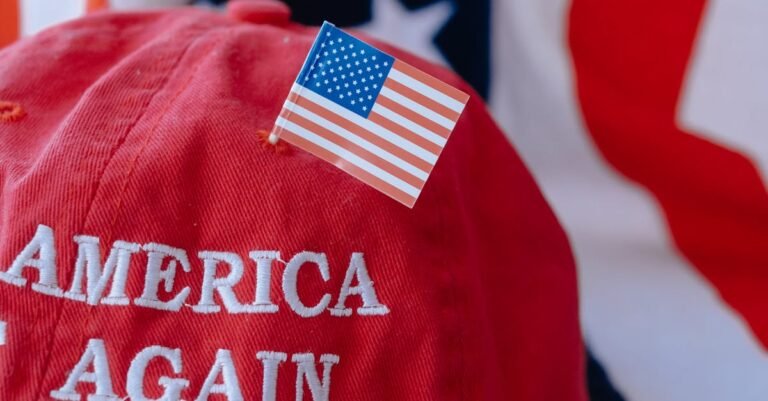
This isn’t a one-off rant. It’s part of the playbook. Ever since he lost, the ‘stolen election’ story has been his go-to move. There’s just no proof. But the story stuck with a lot of his supporters. Now, it’s not just a story. It’s a policy goal. And the goal? To change who’s in charge of our votes, for good.
Why This Proposal Shakes The System
Alright, let’s get real about how this actually works. American elections aren’t run from one office in D.C. Nope. It’s a patchwork. Over 10,000 local places—your county, your city—handle the details. States make most of the big rules. We set it up this way on purpose. It’s a safety feature, to stop anyone from fixing a national election all at once. Trump’s plan would scrap that safety net.
Think about the fallout. First, voter trust takes a hit. State leaders from both parties hate the idea of D.C. telling them what to do. It would start a legal war over states’ rights. For regular folks? It just sows more confusion and makes everything feel more political. It tells your neighbor, the local poll worker, that they can’t be trusted. It eats away at the community spirit of voting itself.
Key Facts About U.S. Election Administration
- The Constitution gives states the main job of deciding how federal elections work, though Congress can step in sometimes.
- There’s no one-size-fits-all. Voting in Oregon (all mail) is totally different from voting in Texas (mostly in-person).
- After 2020, things got messy. Some states made voting harder. Others made it easier.
- Most serious talk about federal reform is about setting basic standards, not a total takeover.
What Happens Next?
Get ready for a fight. Politicians who back Trump will probably write bills to give the feds more power. Good luck getting those through the Senate, though. It’ll be a war. Lawyers will argue whether it’s even allowed by the Constitution. The real move might be in state capitals. Some legislatures might try to lock their systems down before Washington can touch them.
This debate isn’t going away. For more on the bigger voting rights picture, check out this Related Source. It shows how rule changes affect real people trying to vote.
Frequently Asked Questions:
What does it mean to ‘nationalize’ elections? Basically, taking power away from your town and state and handing it to Washington. That could mean one set of rules for everything—voter ID, mail ballots, you name it—for the whole country.
Has Trump provided evidence for widespread fraud? No. Not at all. Dozens of lawsuits failed. Judges he appointed threw them out. Audits in Georgia and Arizona confirmed Biden won. The evidence just isn’t there.
Could Congress actually take over elections? It’d be a steep climb. Congress does have some power here, but a full takeover is probably a step too far. It would violate states’ rights, and it’d need 60 votes in the Senate. Don’t hold your breath.
Look, this push to nationalize elections is a big deal. It’s not just about fighting the last war. It’s about trying to control the next one. The next few months will show us if our local, messy, resilient voting system can survive.