Drug Ban Indigenous Community: Bigstone’s Bold Move & Heated Debate
Bigstone Cree Nation is taking a stand. To fight a growing crisis, they’ve banned illegal drugs outright within their community. This new policy, told to members back in January, is a hard line. And it puts Bigstone right in the middle of a huge debate that’s playing out in other places, too. The big question? Does a strict ban actually help people heal, or could it just make things worse?
Bigstone Draws a Line in the Sand
Here’s what happened. In January, Bigstone’s leaders said enough is enough. They officially banned having or using illegal drugs on their reserve lands. This wasn’t some backroom decision. Chief and Council laid it all out at a community meeting on January 19th. They even posted the notice online the very next day. They wanted everyone to hear it loud and clear.
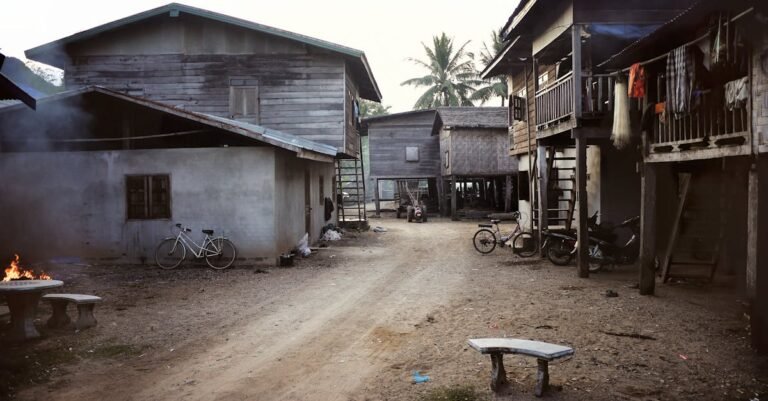
But you have to understand why. Bigstone, like so many First Nations, has been hit hard by the opioid and meth crisis. It’s brutal. These communities often deal with extra challenges—like being far from hospitals, the deep scars of history, and not enough resources. For the leaders, this ban isn’t about being tough for the sake of it. They say it’s an emergency move to shield their people, especially kids, from the violence and overdoses that follow the drug trade.
The Heart of a Complex Debate
Let’s be real. This ban is where two very different ideas smash into each other. On one hand, it’s about a community’s right to run its own affairs and keep its people safe by its own rules. On the other hand, a lot of health experts see addiction as a sickness, not a crime. They push for treatment, not punishment.
For folks living there, it’s personal. People who back the ban hope it cleans up public spaces, scares off dealers, and makes things safer for families. They feel like they’re taking back control. But critics, like public health expert Dr. Josie Auger, are worried. A strict ban, she argues, can backfire. It might force drug use into hidden spots. People using might be too scared to call for help if they overdose. It can also make the shame worse, pushing people further away when they need support the most.
Key Facts Behind the Policy
- The ban was announced at a Bigstone meeting on January 19, 2024.
- It went live on the Nation’s website, bigstone.ca, on January 20.
- The rule targets having or using illegal drugs on the reserve land.
- Health pros like Dr. Josie Auger are seriously concerned about bans like this one.
- It’s part of a bigger trend where Indigenous communities make their own laws to fix problems they feel governments are ignoring.
A Divisive Path Forward
So what’s next? Bigstone is going to start enforcing this. Everyone will be watching to see what happens—does crime go down? Do overdose calls change? The results here could shape what other First Nations decide to do.
This whole situation shows the tough choice communities face. If you want to read more about how Indigenous law-making works, check out Related Source. For Bigstone, the road ahead isn’t just about rules. It’s about walking a tightrope between keeping people safe, helping them get healthy, and standing strong as a nation.
Frequently Asked Questions:
What does Bigstone’s drug ban actually do? It makes it illegal to have or use drugs like meth, cocaine, and street opioids anywhere on the Bigstone Cree Nation reserve.Why are some public health experts concerned? They’re afraid bans make people hide their drug use, which is more dangerous. It also makes it harder for people to ask for medical help or use safe-use services because they’re scared of getting in trouble.Can a First Nation legally make this kind of law? Yes. Many First Nations say it’s their right to govern themselves. That includes making laws for their own lands, especially when it’s about protecting their members.
This story is still being written. As Bigstone moves forward with its ban, the people who live there will have the final say on whether it works. The search for real answers goes on, and the stakes couldn’t be higher.