

Characters Needed Therapy More Than Their Epic Adventures
Hollywood’s favorite fix for a broken character? Throw them on some epic quest. Slay a dragon, save a kingdom, chase after some legendary treasure. But here’s the kicker: what if the real prize was just getting their head straight? A fresh article points out a truth that hits hard—tons of iconic characters needed therapy way more than a wild adventure. Yeah, their unchecked trauma makes for great movies, but honestly? It’s a lousy way to handle mental health. Let’s get into why a comfy couch beats a sword any day.
The Couch vs. The Quest
It’s simple but smart. Movies love using epic journeys as a way to show personal growth. Beat the outside beast, fix the inside mess. The hero’s journey is a classic for a reason. But let’s be real—fighting monsters doesn’t magically heal your problems. It just piles on new ones, like “dragon PTSD,” anyone?
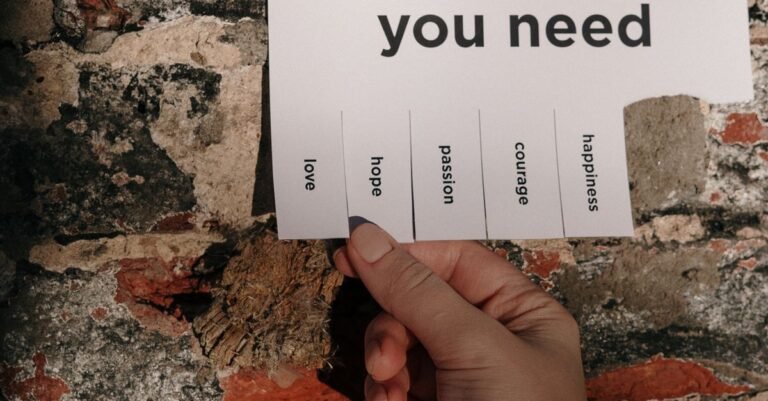
This isn’t a new trick. It’s everywhere—in mythology and blockbuster movies alike. Think about it: a hero loses someone they love. Most folks would mourn, get some support, and slowly move on. A movie hero? Nope, they grab a sword and vow revenge that spans continents. The action keeps them from doing the messier, quieter work of healing. Adventures become a huge, wild distraction.
Why This Trope Matters
Here’s why it’s a big deal. These stories shape how we think about pain and what it means to be a hero. They sneakily say, “The bigger the action, the better the cure.” But real healing? It’s clunky, slow, and definitely doesn’t come with sword fights or applause. By always pushing characters who dodge therapy into the spotlight, these tales make actual emotional work seem kinda lame.
And it’s a double whammy. For viewers, it can make real struggles feel small or boring. I mean, why bother sharing your feelings when you could be forging an epic ring? For writers, trauma becomes the quick and dirty motivation button. More trauma means bigger adventures. It’s an easy shortcut, but it often means missing out on digging deep into characters’ minds.
Prime Examples: The Therapy Hall of Fame
- Frodo Baggins from The Lord of the Rings lugged around a seriously corrupting ring and saw some horrific stuff. The PTSD? Yeah, a trip to the Undying Lands didn’t just erase that.
- Tony Stark from Marvel masked his anxiety, daddy issues, and close calls with death behind nonstop ego-driven heroics and building suits.
- Eleven from Stranger Things had a childhood stolen by cruel experiments. She needs deep therapy way beyond waffles and buddies.
- Batman is basically the poster kid for turning deep childhood grief into a lifelong violent crusade instead of dealing with the pain.
- Wanda Maximoff handled huge loss by trapping a whole town in a sitcom fantasy—a desperate cry for help that screams “therapy needed!”
The Future of Fictional Healing
So, what’s next? We’re already seeing some change. New stories are better at showing what comes after the big adventure. Shows like The Boys break down the trauma-to-hero story. Movies like Everything Everywhere All At Once mix family therapy with wild multiverse action. The talk is shifting. Writers are starting to ask: what’s real recovery after the story ends?
Get ready for tales where the quest and therapy go hand in hand. Sometimes the battle’s inside. Sometimes heroes finally admit they need help to finish what they started. It’s a way better way to build characters. Want to see where this all kicked off? Check out the Related Source that started this whole chat.
Frequently Asked Questions
Does this mean these movies are bad? Nope, not at all. It just makes them way more interesting to think about. The struggle between needing help and chasing action? That’s straight-up drama gold. It’s about knowing the line between a great story and actual mental health advice.
Would therapy stories be boring? They don’t have to be! Therapy’s full of ups and downs, fights and breakthroughs. It’s a journey on its own and mixing it with genre stuff? That’s fresh and powerful.
Is this a new criticism? Nah, people have noticed before, but now that mental health talks are more open, folks spot when a character’s badly hurting and needs help.
At the end of the day, we love these messy heroes. Their stories stick with us. But just imagine them finally booking that therapy appointment? That’s a pretty awesome alternate ending too.