

Athlete Mental Health Vulnerability: Jarren Duran’s Risk
Jarren Duran didn’t hold back. He opened up about some really dark times. The Boston Red Sox outfielder admitted he once tried to take his own life. Why? Not for sympathy, but to help others going through the same pain. That’s real courage and raw athlete mental health vulnerability. But here’s the kicker: now he’s facing online hate and nasty fan attacks. So, the big question is — can athletes be honest about their struggles without getting hurt?
The Price of Speaking Out
When Duran talked to ESPN, he laid it all out. No filters. He shared how 2023 was brutal, pushing him to a breaking point where he tried to end it all. But he also said he wanted his story to remind others they’re not alone. It was rough, real, and exactly what mental health advocates want more of.
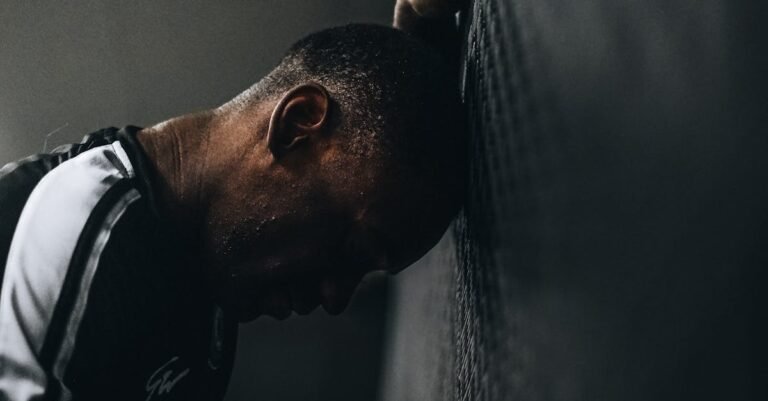
Look, this isn’t some new drama in sports. Athletes have kept their struggles under wraps forever because “toughness” was king. Admitting anxiety or depression? A weakness. But times are changing. Big names like Kevin Love, Naomi Osaka, and Michael Phelps have broken that code. They showed everyone even champs fight inner battles. Things have gotten better, sure. But Duran’s anxiety about speaking up tells us it’s not safe yet.
Here’s the Deal: Vulnerability is a Double-Edged Sword
Here’s the thing — when players like Duran get real, two things happen. One, fans connect with them on a whole new level. They’re not just athletes; they’re people with real struggles. That builds serious loyalty. But flip the coin. It also puts a giant target on their backs. Sports fans? Tribal and fierce. A player who’s struggling? They become the easy punching bag. Suddenly, the insults go from “you’re bad” to “you’re broken,” way more personal and hurtful.
This stuff hits hard. Every mistake Duran makes now carries extra weight. Will those nasty comments mess with his head? Will he regret opening up when the crowd gets hostile? More than that, his story sends a warning to younger players. Sure, it’s brave to speak out. But seeing the backlash could scare them into silence. That keeps important conversations buried and stigma alive.
Key Facts About Mental Health in Sports
- Up to 35% of top athletes struggle with mental health issues like anxiety and depression.
- Social media cranks up the volume and nasty-ness of fan attacks like never before.
- Big leagues do have mental health programs, but locker room culture can still shut players down.
- Players who talk openly often get targeted with harassment that digs into their vulnerabilities.
- Even with progress, many athletes worry admitting mental health issues might cost them playing time or contracts.
What Comes Next for Athletes and Fans?
We all have a part to play here. Teams need rock-solid and visible support systems. They should stand up for players like Duran loudly and clearly. Banning fan abuse in stadiums and online? Non-negotiable. Leagues should throw money at tech to block the worst harassment. The message? We got our players’ backs, no questions asked.
Fans hold the power to change the game, too. Criticizing a player’s performance? Fine. Personal attacks on their mental health? Totally uncool and cruel. That’s not what sports is about. Media has to report on these stories with respect, not just for clicks. Curious about the tools to help players? Check out this Related Source on sports psychology.
Frequently Asked Questions
What did Jarren Duran actually say? He told ESPN about a mental health crisis in 2023 that pushed him to try suicide. The pressure of playing in Boston and his own struggles built up to that point.
Why is this a big risk for athletes? Opening up makes players targets. Rival fans get personal, using what the athlete shared against them during games, escalating abuse from just play to personal attacks.
What can be done to protect athletes? Teams must call out harassment loud and clear. Leagues need better fan rules and mental health support. But the biggest change has to come from fans dropping the personal attacks.
Jarren Duran’s story is a clear reminder: progress is fragile. One cruel comment can undo years of work to make sports safer. The real challenge? Not if athletes keep talking, but whether we, as fans and a community, deserve their trust.