

US Economy Political Division: From World Envy to International Joke
Remember right before the 2024 election? Experts were raving about the U.S. economy, calling it the world’s envy. Now, a lot of folks say we’re a global punchline. This wild flip isn’t about data. It’s about something deeper. The real headline is the raw, bitter political fight over the economy. How did we turn so fast? And what does it do to your bank account?
The High Praise and the Hard Fall
Just a week before the election, a big international magazine, The Economist, had nothing but praise. Strong job growth. Inflation coming down. A stock market that wouldn’t quit. Their cover story title said it all: “The Envy of the World.” For a lot of us, it felt like we were finally back on top. The numbers looked great.
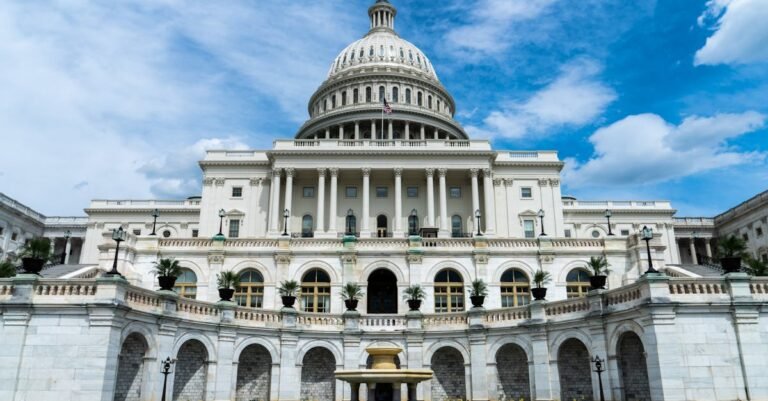
But that feeling evaporated. Fast. The political machine got its hands on the story. Critics of the White House brushed the good news aside. They talked about sky-high grocery bills. Painful mortgage rates. The whole conversation changed. The economy wasn’t about charts and graphs anymore. It became a flag you waved for your team.
Why This Deep Split Matters
Here’s the deal. When a country can’t agree on basic facts about its own wallet, nothing works. Economic policy needs teamwork and long-term thinking. If half the country sees a boom and the other half sees doom, good luck getting anything done. Trust gets busted. Confidence takes a hit. Suddenly, the economy isn’t a project we all share. It’s just a political toy.
This isn’t abstract. It’s personal. Families hear totally different stories about prices. Small business owners get dizzy trying to follow the policy zig-zag. Is the job market strong or weak? Who knows anymore? All that confusion is poison. It makes people pause. They don’t buy that house. They don’t hire that new worker. The political noise isn’t just annoying. It can grind our progress to a halt.
The Numbers Behind the Noise
- In late 2024, unemployment was under 4%. That’s low. Most places would throw a party for numbers like that.
- Inflation had dropped from its crazy peak. But it still bit into everyone’s weekly shop.
- Consumer confidence polls showed a huge, historic gap. What a Democrat expected and what a Republican expected were worlds apart.
- Despite the domestic drama, global investors still saw the U.S. as a top spot for their money.
- Debates about agencies like ICE got mixed up with deep worries about jobs and paychecks.
What Comes Next for the Divided Economy?
Buckle up. The 2024 election picked a president, but it didn’t end the argument. Every new jobs number, every inflation update, every company’s earnings—it will all get spun. A policy will be called brilliant or terrible based on who suggested it, not what’s in it. The real danger? We get stuck in a loop where good news gets ignored and bad news gets a megaphone, all for a political win.
To see how this division spills into other policy fights, check out the analysis at Related Source.
Frequently Asked Questions
Was the US economy actually doing well in 2024? If you go by the textbook—things like GDP and jobs—it was outperforming a lot of other rich countries. But man, the cost of rent and food was a daily struggle for millions. Two truths can exist at once.
Why is there such a big gap in how people see the economy? It’s your bubble. Your news feed, your politics, your own bills—they create your reality. Sometimes, what you watch tells you more about your outlook than what’s in your wallet.
Can the economy function with this much political division? For a while, sure. Markets figure it out. But for the long haul? This level of division is toxic. It creates fear and uncertainty, and that makes businesses and investors freeze up when the next crisis hits.
America’s economy story isn’t just about money anymore. It’s a reflection of our biggest splits. The data tells one story. Our politics scream another. Until those two versions get in the same room, prosperity will always feel shaky—no matter what the spreadsheets say.