

Endometriosis Diagnostic Imaging Breakthrough Published in Lancet
Big news in the world of endometriosis diagnostic imaging—something that could seriously help millions. A fresh study in *The Lancet Obstetrics, Gynaecology & Women’s Health* introduces a radioactive tracer called 99mTc-maraciclatide. This little guy lights up endometriosis lesions with impressive accuracy. And no, this isn’t just another test — it could be a total game-changer for a condition that often takes years, sometimes a decade, to nail down.
The Core News: A Clearer Picture Emerges
On April 30, 2026, Serac Healthcare teamed up with top brainiacs at Oxford’s Nuffield Department and dropped some eye-opening results. Their new imaging agent, 99mTc-maraciclatide, was tested on women who might have endometriosis. How does it work? It spots fresh blood vessels — a sure sign of endometriosis lesions — during a SPECT/CT scan. The aim? To actually see the disease in action, without poking around inside.
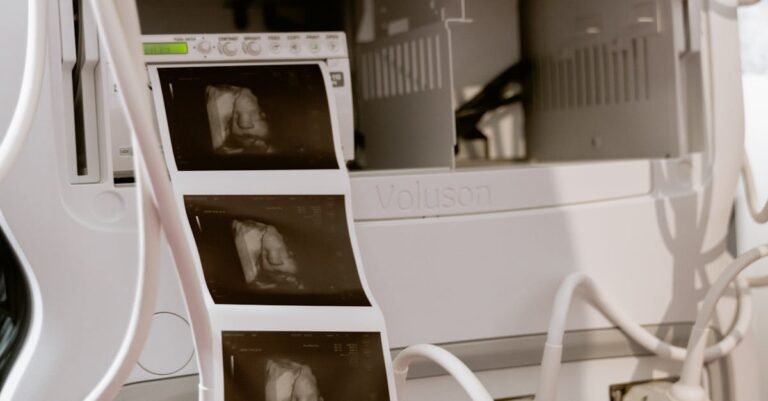
Let’s put this in perspective: 1 in 10 women deal with endometriosis. It’s notoriously sneaky. Right now, diagnosing it sometimes means a long slog through pain, scans, and guesswork. The only surefire way so far? Surgery to look inside—yeah, not fun, risky, and a major delay before treatment starts. Finding a good imaging test has felt like chasing a unicorn for decades.
Why This Imaging Tool Is a Big Deal
Here’s the kicker: this study hints we might finally get a clear window into the pelvis. If 99mTc-maraciclatide really delivers, doctors could skip surgery to diagnose endometriosis. They’d be able to see exactly where and how bad it is. That flips the whole script. Diagnosis goes from a frustrating mystery to a straightforward scan.
What does this mean? For patients, it could cut years off the hunt for answers. Less guessing, less pain, faster fixes. For docs, it’s a powerful new way to plan surgeries or check if meds are working. For science, it proves spotting molecular signs in women’s health is not just a dream—it’s real. It turns hidden hurt into clear targets you can treat.
Key Data and Findings from the Study
- 99mTc-maraciclatide homes in on αvβ3 integrin, a protein found in new blood vessels feeding endometriosis lesions.
- The tracer successfully found lesions that surgeons confirmed later during laparoscopy.
- It’s not just for finding disease—researchers see it helping track how the disease changes or responds to treatment over time.
- Published in a top-tier Lancet journal, this study carries serious weight.
- Using SPECT/CT means doctors could get a full-body look, spotting lesions beyond the usual pelvic spots too.
What Comes Next for Endometriosis Imaging
Don’t get ahead of yourself—this is just the starting gun, not the finish line. Bigger trials will need to back up these results with more diverse groups of patients. Regulators like the FDA and EMA have to give the green light before this can hit clinics everywhere. Plus, scientists want to see if this trick can tell endometriosis apart from other conditions that act similar.
The road from cool study to hospital routine is long and winding, but this is a huge leap forward. It shows the idea works. Want the nitty-gritty? Check out the Related Source for the deep dive.
Frequently Asked Questions
Is this a cure for endometriosis? Nope. This helps find and watch the disease, making treatment choices quicker and smarter. But treatments themselves—like meds or surgery—are still the way to go.
How soon will this be available at my hospital? Not tomorrow. After the good news, it still has to pass safety checks and production hurdles. This can take a few years if all goes smoothly.
How is this different from an MRI? MRI shows pictures of your body’s structure. This new tracer goes deeper—it shows how active the disease is by highlighting its blood flow. That means it could catch smaller or tricky lesions that MRIs might miss.
Here’s the bottom line: after years of guesswork and frustration, we’re finally getting a clearer look at endometriosis. That means faster diagnosis, less wait, and better care ahead.