
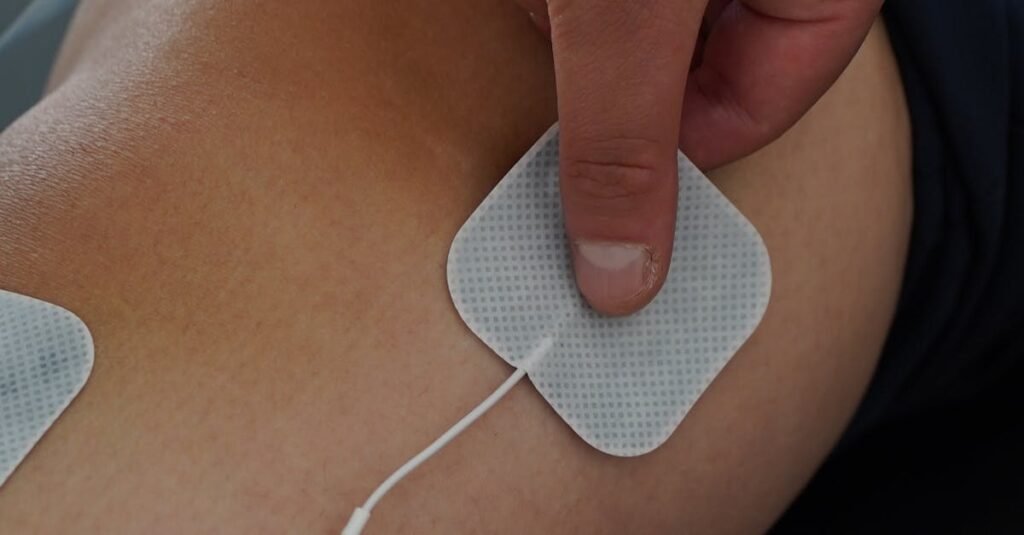
Vagus Nerve Stimulation Alzheimer’s Prevention Breakthrough
Here’s the kicker: a new angle in fighting Alzheimer’s points to something you probably didn’t expect—a nerve in your neck. Yep, it’s all about vagus nerve stimulation Alzheimer’s prevention now. Scientists think that firing up this nerve could shield a tiny but super important spot in your brain where Alzheimer’s kicks off. Instead of just tackling symptoms, this approach aims to guard your brain before memory starts slipping away. Let me break down how this works and why it’s a game changer.
The Brain’s Early Warning System
Deep in your brainstem lies a tiny area called the locus coeruleus. It’s small but mighty—this is where norepinephrine, a key brain chemical, is made. Think of norepinephrine as your brain’s own spotlight—it helps you stay alert, learn new stuff, and lock in memories. Plus, this little area keeps an eye on inflammation and cleans up cellular junk. Trouble is, the locus coeruleus is the first place Alzheimer’s shows up, with those nasty tau tangles creeping in decades before you notice any symptoms.
For years, Alzheimer’s research chased after beta-amyloid plaques and tau tangles. But now, folks are asking where it all starts. The answer? The locus coeruleus. When this spot starts to fail, your brain can’t handle stress, inflammation gets out of hand, and memories don’t stick like they should. It’s like losing the brain’s quality control boss. So, the big question became: can we protect this tiny control room?
Your Vagus Nerve: The Superhighway to the Brain
Turns out, the vagus nerve is the missing piece of the puzzle. It’s the longest nerve from your brainstem, zipping down through your neck and wrapping around your organs. This nerve isn’t just a messenger; it’s a two-way street, sending info back and forth between your gut, heart, and brain. Most importantly, it connects straight to the locus coeruleus. So, if we zap the vagus nerve, we can basically jump-start that failing brain spot and get it working better.
This is huge! Instead of just dropping a pill to hit one brain chemical, stimulating the vagus nerve wakes up a whole network. It can boost norepinephrine, chill out harmful brain inflammation, and even help the brain’s cleaning system run smoother. For folks just starting to forget things or with a family history of Alzheimer’s, this could be a way to slow down or stop memory loss before it takes hold. Suddenly, we’re not just dealing with dementia—we’re trying to keep brains healthy from the get-go.
Key Facts and Data to Know
- The locus coeruleus shows Alzheimer’s tau damage 20-30 years before you lose your memory.
- Non-invasive vagus nerve stimulators, worn on the ear, are already FDA-approved to treat depression and migraines.
- Small early studies hint that vagus nerve stimulation can help with memory in healthy people and those with mild memory problems.
- The vagus nerve plays a big role in brain health by controlling inflammation, stress, heart rate, and the gut-brain link.
- Researchers are now launching trials to see if vagus nerve stimulation can actually prevent Alzheimer’s or slow its progress.
What’s Next for Treatment and Prevention?
Get ready—over the next few years, more trials will pop up testing both implantable devices and simple ear clips that zap your vagus nerve. Scientists still need to figure out the best “dose”—how often and how long to zap it for maximum brain boost. Could it be a daily 30-minute session? Could it work alongside healthy habits? Time will tell.
Imagine having a safe, at-home therapy that keeps your brain sharp. If you want to geek out on the gut-brain connection, Related Source has all the details. The future might combine vagus nerve stimulation with drugs that clear Alzheimer’s proteins. Prevention isn’t just a dream anymore—this nerve could be the key to unlocking it.
Frequently Asked Questions:
Is vagus nerve stimulation safe? Yes! The types studied so far, especially the non-invasive ear ones, are pretty safe. Side effects are usually mild—think light tingling on your skin.
Can I stimulate my vagus nerve at home now? You can try simple things like deep breathing, cold showers, or singing to naturally boost it. But for serious Alzheimer’s prevention, special medical devices (still under study) will be needed.
Who would be a candidate for this treatment? At first, probably people with mild memory issues or a family history of Alzheimer’s. Eventually, it could be a tool for anyone at risk.
Alzheimer’s research is shifting gears—aiming upstream to protect the brain’s tiny control center by using a major nerve highway. It’s all about connecting your body straight to the heart of brain aging—and that’s exciting news.