
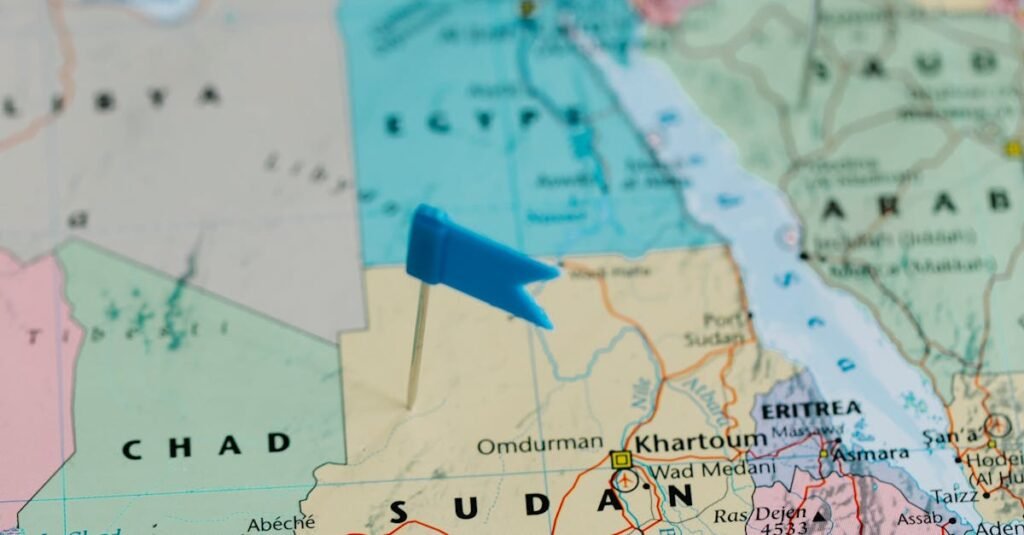
Sudanese Women in Chad: Building Hope After Horror
Picture this: you run for your life. You cross a border with nothing but the clothes on your back and memories you can’t shake. You land in a camp that’s crowded, hot, and chaotic. Safe, yes—but shaken to the core. That’s the daily reality for countless Sudanese women in Chad. And since there’s almost no mental health care in sight, they aren’t waiting for a rescue. They’re doing the rescuing. They’re building their own circles of support—proof that when the world looks away, community shows up.
A Story of Survival Against All Odds
What’s happening in eastern Chad hurts to hear, but it also gives you hope. Women who escaped brutal attacks and mass violence in Sudan are now fighting a different battle—inside their heads and hearts. Many survived sexual violence used to terrorize them. Now they sit in open-air tents and rough shelters, talking it out, holding each other up, and sharing the load. No fancy program. No big budget. Just people showing up for each other because there’s no other choice.
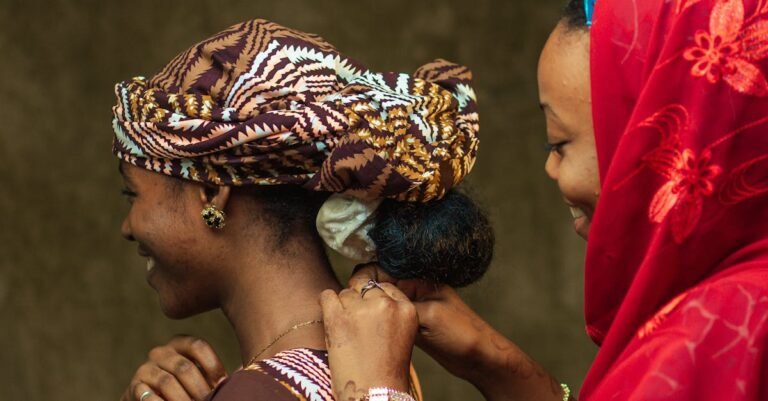
This didn’t start yesterday. The current war exploded in April 2023, with the army and a powerful paramilitary group tearing Sudan apart. Darfur has been hit especially hard. Families fled by the thousands into Chad, most with nothing. The camps? Overwhelmed. Aid groups? Stretched paper-thin. Mental health care? Almost none. So the women filled the gap the only way they could—together.
Here’s Why It Matters
Let’s be real. This isn’t about “feeling down.” It’s trauma—deep and messy—that can wreck a life for years. The attacks weren’t random; they were planned to crush people. Without help, those wounds don’t just disappear. They show up as panic, sleepless nights, rage, numbness, and pain that spills over to kids and whole communities. So when women gather to talk and listen, that’s not small. That’s resistance. That’s taking back control.
These support groups change lives. They give women a place to speak without fear or shame. Sharing the story is often the first step back to yourself. It cuts through the loneliness that eats people alive in camps. They swap childcare, cook together, and find tiny ways to make money. Bit by bit, they’re rebuilding community—the thing war tries to destroy first. They are not just surviving. They’re leading, one hard conversation at a time.
The Stark Reality by the Numbers
- Over a million Sudanese refugees have crossed into Chad since the fighting began. Most are women and children.
- The UN has documented widespread sexual violence against women and girls, especially in Darfur.
- Mental health care in the camps is almost nonexistent—sometimes one trained worker for tens of thousands of people.
- The trip from Darfur to Chad is dangerous, and many women report attacks and abuse on the way.
- Aid groups can barely cover food, water, and shelter—so there’s little left for counseling or trauma care.
What Does the Future Hold?
Honestly? It’s shaky. The war in Sudan isn’t slowing down, which means more people will keep crossing into Chad. More people equals more pressure on already thin services. These peer support networks are incredible, but they can’t replace trained therapists. These women need real mental health care—safe spaces, trauma counseling, long-term support. The world needs to fund it. Now.
The strength of Sudanese women in Chad is something to learn from. Their willingness to organize and lift each other up is the thin line between hope and despair. If you want more context on the bigger crisis, check a Related Source that covers displacement and conflict. These stories matter. Their voices matter. And they deserve more than admiration—they deserve actual help.
Frequently Asked Questions
What is causing the refugee crisis in Chad? The war in Sudan that erupted in April 2023 between the Sudanese Armed Forces (SAF) and the Rapid Support Forces (RSF). Civilians, especially in Darfur, have been targeted. Why is there so little mental health support? The camps in eastern Chad are remote and overcrowded. Aid is limited, and specialized care like counseling is often the first thing cut even though the need is huge. How do the women’s support groups work? They’re informal and simple. Women meet in safe spots, share what happened, watch each other’s kids, offer comfort, and pool what little they have. It’s community care when there’s no clinic to go to.
The courage these women show is unreal. They’ve built lifelines out of thin air and pure grit. But they shouldn’t have to do it alone. The world needs to listen—and back them with real resources so they can heal and rebuild for good.