
New York Pickles: How Jewish Immigrants Created a Food Icon
The story of the New York pickle isn’t just about cucumbers and brine. It’s about survival, community, and some seriously good taste. A new book, “The Pickled City,” digs into how Jewish immigrants on Manhattan’s Lower East Side took a plain cucumber and made it a city legend. They flipped barrels of pickles into a big deal not just for New York, but for the whole country. This is a tale of a generation leaving their mark—one crunchy, garlicky bite at a time.
From Pushcart to Cultural Icon
Paul van Ravestein and Monique Mulder tell the full story in “The Pickled City: The Story of New York Pickles.” It tracks back to the late 1800s and early 1900s when waves of Jewish immigrants came flooding into New York, especially the Lower East Side. They brought their pickling skills with them because honestly, it was the best way to keep food from spoiling — cheap, easy, and tasty.
Jacob Riis, the famous reporter who shined a light on poor city neighborhoods, spotted this too. In his 1890 book “How the Other Half Lives,” he talked about “Jewtown”—the nickname for the Lower East Side. Riis said, “Pickles are a favorite food in Jewtown… They are filling and keep the children from crying.” These pickles weren’t just snacks. They were a lifeline. Barrels of pickles stood on nearly every corner around Hester and Essex Streets. That salty, sour crunch? It was a bit of home, a small shield against hunger in a tough new place.
Why the Pickle Became a Big Dill
Here’s the kicker: the rise of the pickle shows how immigrant communities shape what we eat and who we are. Jewish immigrants didn’t just hide in their kitchens. They pushed carts, opened shops, and got their pickles out there. The half-sour and full-sour styles they introduced became the hallmark of the city — completely different from the sweeter, bread-and-butter kinds you find elsewhere.
This wasn’t small potatoes. This led to a local pickle scene based on family recipes and a ton of elbow grease. Famous spots like Guss’ Pickles began on the Lower East Side and later moved to Brooklyn. For over a hundred years, this pickle style defined a neighborhood’s flavor and locked Jewish food culture deep into New York’s daily life. When you crunch into a New York pickle today, you’re biting into history—and a story of immigrants making a fresh start.
Key Facts About the Pickle’s History
- In the early 1900s, dozens of pickle vendors competed on the Lower East Side, each using family recipes from Eastern Europe.
- Jacob Riis’s 1890 note showed how pickles were cheap, filling food that helped poor immigrant families get by.
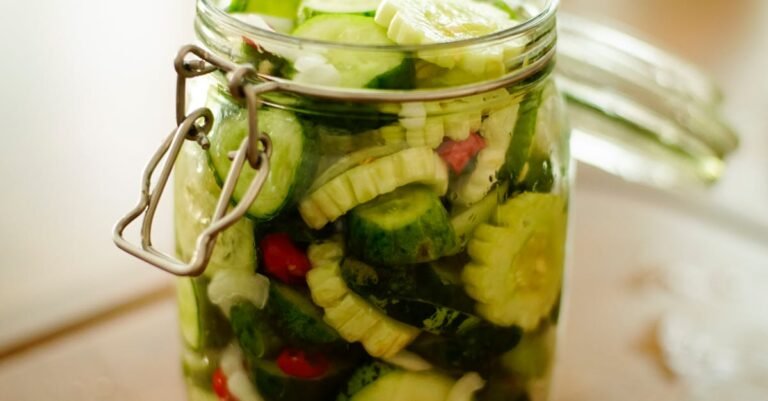
- The classic New York pickle is fermented in salt brine with garlic and dill, not soaked in vinegar. That’s what gives it its sharp sourness and snap.
- Today, places like The Pickle Guys on Essex Street keep the tradition alive with open barrels and age-old recipes.
- The pickle craze helped push other Jewish eats, like pastrami and rye bread, into becoming American deli staples.
The Future of the New York Pickle
So, what’s next? The tradition’s facing some serious challenges. Rent on the Lower East Side is sky-high, and the families who started this whole thing have mostly moved away. But the appetite is still strong. The future? A mix of old-school shops hanging on and new, crafty pickle makers shaking things up. These upstart fermenters are playing with local veggies and fresh flavors, using the old techniques to make something new.
The story lives on through books, food tours, and a bunch of fans who just can’t get enough. If you want to dive deeper, check out resources like Related Source. Bottom line: culture kept in a jar is a powerful thing. The New York pickle’s legacy isn’t going anywhere, even as its makers change.
Frequently Asked Questions
What makes a New York pickle different? A real New York pickle is fermented in a salty brine with garlic and dill—not just dumped into vinegar. That’s why it has that punchy sour flavor and a satisfyingly crunchy bite.
Where did the pickle tradition come from? It all started with Jewish immigrants from Eastern Europe, places like Poland and Ukraine. They brought their pickling know-how with them in the late 1800s to preserve veggies through harsh winters.
Can you still find old-school pickle barrels in New York? You sure can, though not as much as before. Shops like The Pickle Guys on the Lower East Side are keeping the barrel tradition alive, letting you grab your pickle fresh with tongs.
Here’s the thing — the New York pickle has survived it all. From crowded tenement hallways to trendy gastropubs, it’s a simple food with a big story. Every crunch you take is a nod to resilience and flavor. That’s one heritage worth biting into.