
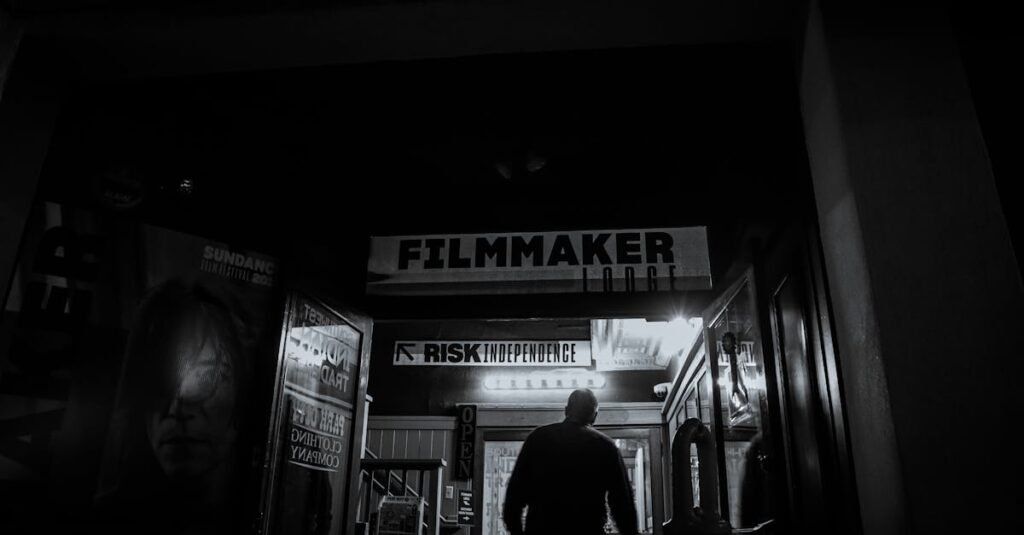
Independent Film Spirit: Keeping It Alive Today
Remember when ‘indie’ was all about gritty, no-frills movies made far from Hollywood’s glossy sets? Well, those lines are getting blurry fast in today’s digital world. The big question: how do we keep that true independent film spirit kicking? It’s not just about who has the biggest budget—it’s about guts, originality, and telling stories no one else will touch. But here’s the kicker—new platforms are shaking things up, making it tougher for indie films to survive. From Sundance hits landing streaming deals to directors hunting for fresh cash, the indie scene is changing fast. Let’s unpack what’s really going on.
The Changing Face of Indie Cinema
Used to be, ‘indie’ meant scrappy films made on shoestring budgets. Now, streaming giants scoop up those same movies and turn them into slick productions for millions worldwide. A small drama made for a couple million bucks could show up next to a billion-dollar blockbuster on Netflix. That changes everything—especially what ‘independent’ actually means. Funding now often comes from big companies instead of individual fans. Distributors are more into data and formulas than bold creativity. So while being ‘indie’ still sounds cool, filmmakers face fresh pressures to play it safe. It’s where old-school indie freedom crashes into modern marketplace realities.

Looking back helps make sense of all this. Filmmakers like John Cassavetes or Robert Rodriguez showed us you could make powerful movies outside the studio system. They inspired a wave of DIY artists using cheap gear and guerrilla filming tricks. Story mattered more than gloss. Later, festivals like Sundance turned indie flicks into cultural icons—think ‘Clerks’ or ‘Napoleon Dynamite.’ These movies felt real, raw, and rebellious. That spirit still drives indie talk today, but the ground has shifted. Opportunities pop up all over, but chances to take real risks? Those are dropping.
Flashback to the late ’90s and early 2000s: DVD sales gave indie films a lifeline, making money beyond theaters. Now? Streaming rules the game, offering huge reach but at a cost. Algorithms push safe choices, making it harder for wild, experimental ideas to break through. Nostalgia won’t fix this—creators are forced to get crafty, using crowdfunding and social media to rally fans. Some skip old-school distribution altogether, dropping films straight online. But here’s the big question: does easier access mean losing that gritty edge that made indies special? Remembering where indie came from helps us fight for its future freedom and voice.
The Real Deal For Creators Right Now
Here’s the deal: making indie films today is like walking a tightrope. Filmmakers have epic tools at their fingertips—cheap, amazing cameras; editing software on your laptop; endless ways to get your film out there. Sounds perfect, right? Not exactly. The market is crowded and getting noticed feels tougher than ever. You need marketing chops many artists just don’t have. Money’s tight, too—streaming deals often pay upfront with little to no backend cash. Plus, platforms love binge-worthy series over one-off movies, squeezing indies even more. Staying true to your voice while dealing with corporate demands? That’s the real test. And it’s reshaping the whole industry.
This squeeze means newbies face bigger hurdles without a track record, while big names use their clout to get better deals—but risk turning into brands themselves. On top of that, audiences’ tastes are shifting. Binge culture craves fast, easy entertainment, not slow, thoughtful stories. Yet, underground scenes and niche festivals keep the indie flame alive, celebrating bold, unusual voices. Here’s the paradox: indie style is more popular than ever, but actual support is shakier. How filmmakers handle this tug-of-war will write the next chapter in indie film history.
Key Facts About Modern Indie Films
- Streaming platforms now finance or produce over 40% of the indie features picked at festivals each year, according to recent reports.
- More than 75% of indie movies are watched through services like Amazon Prime Video or Hulu, rather than in theaters.
- The average budget for indie projects has shot up 50% in the last decade, thanks to higher costs and bigger audience expectations.
- Social media is king: 78% of successful indie films use TikTok or Instagram to build buzz before release.
- Despite digital growth, physical screenings and microcinemas have seen a 20% boost in attendance, showing people still crave that face-to-face connection.