
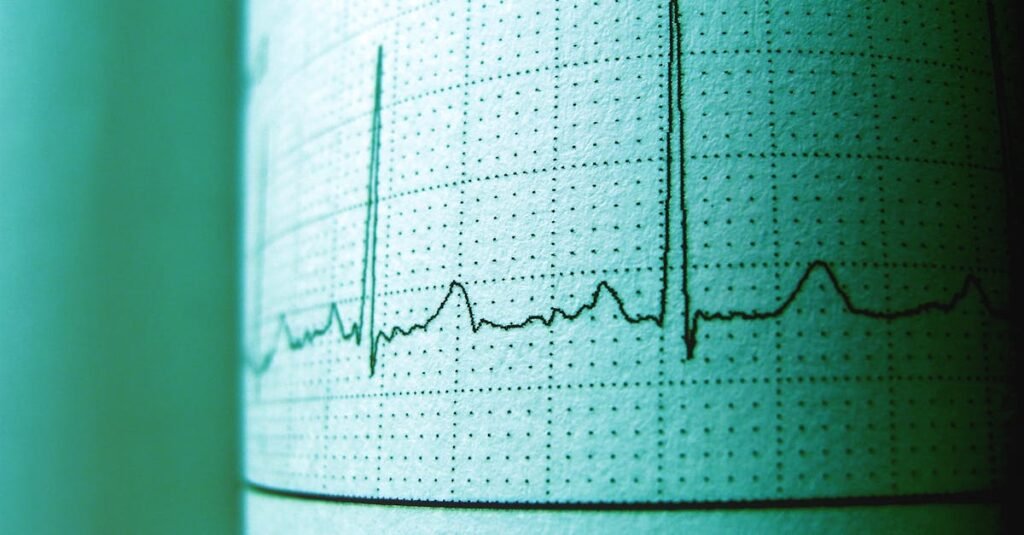
Heart Rhythm Signals: Listen to Your Body’s Story
Think about your heart as more than just a pump; it’s like a storyteller. Its steady beat keeps your life moving forward, but those little changes in rhythm? They’re like plot twists dropping important clues. Most of us brush off these heart rhythm signals until something feels weird. That flutter or skipped beat? Not random at all. It’s info. Our heart’s electric system and overall health are way more connected than most folks realize.
The Rhythm You Don’t Notice
Let’s be real, you probably don’t think about your heart most days. It’s just background noise doing its job. But sometimes, it signals you. Maybe you feel a weird flutter, pounding, or racing heartbeat. Or get dizzy when you stand up fast. Those are heart rhythm signals straight from your heart’s electrical wiring.
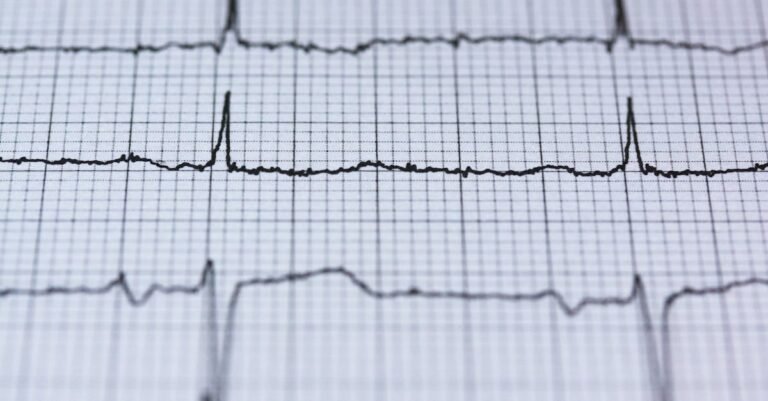
This isn’t about freaking out over every twitch. It’s about paying attention. Doctors have been listening to the heart’s rhythm forever with stethoscopes. Now? Smartwatches and portable EKGs let us keep track at home and send the details to docs instantly.
Why Listening Matters Right Now
Here’s the kicker: Not all irregular beats spell trouble. It’s super common to get the occasional odd one that’s no big deal. The trick is knowing when to care.
Ignoring these signs can backfire. Some rhythm issues raise the odds of stroke or heart failure if you leave them unchecked. If you’re dealing with stuff like high blood pressure or diabetes, tuning into your heart’s signals is even more important to keep things on track.
The Facts Behind Your Heartbeat
- A normal resting heart rate usually hits between 60 and 100 beats per minute.
- The most common lasting irregular rhythm? Atrial fibrillation (AFib) — millions of people got it worldwide.
- Not every irregular beat makes you feel something; some hide completely and only show up on monitors.
- Your heartbeat is powered by a complex set of electrical signals moving through special paths in your heart muscle.
- Stuff like stress, coffee, dehydration, or meds can shake up your rhythm temporarily without meaning serious trouble.
The Future of Heart Monitoring
What’s next? Health tech is gonna get way more baked into our daily lives. We’re past just counting steps — soon, non-stop monitoring will give you and your doctor heads-up reports before you even notice a problem.
The plan? Catch trouble early, not scramble to fix it later.Related Source. Imagine your phone pinging you to drink water because your heartbeat pattern shows you’re a bit dehydrated — that kind of smart care is fast becoming normal, helping you stay ahead instead of playing catch-up.
Frequently Asked Questions:
Should I worry if my smartwatch says I have an irregular rhythm? Don’t panic, but don’t ignore it either. Take it as useful info. One random alert might mean nothing. But if you keep getting them, definitely talk to your doctor — they’ll help put it in perspective. Also, keep track of what you’re doing or feeling when it happens.