
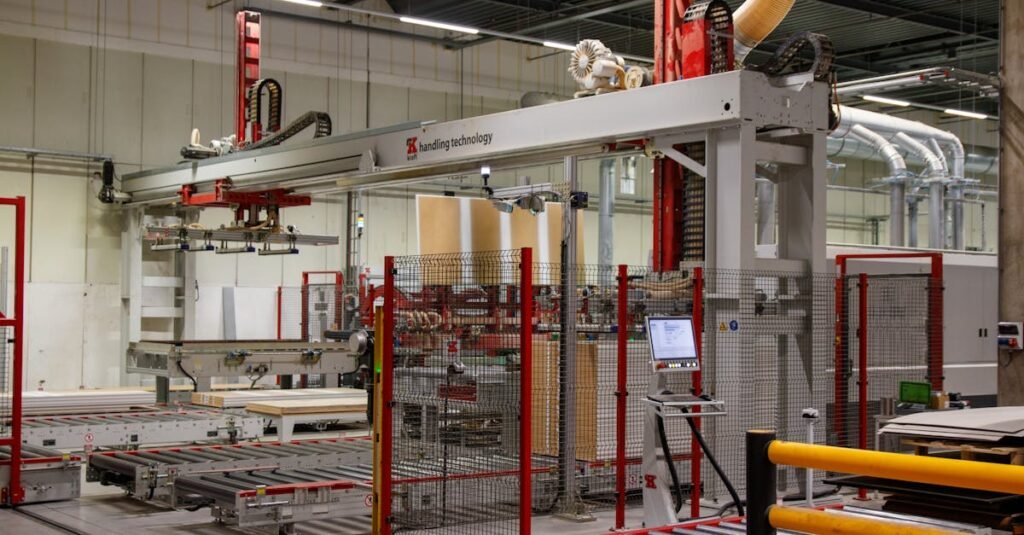
Advanced Therapy Manufacturing Facility Gets FDA Green Light for Vericel
Vericel just scored a big win. They recently got the FDA’s stamp of approval for their shiny new advanced therapy manufacturing facility. This isn’t your average building nod—it’s a huge step forward that lets Vericel ramp up production of their tricky cell therapies. For folks waiting on these next-level treatments, this means more steady supply and quicker access to medicines that can really change lives.
A Major Win on the Manufacturing Front
So, what’s the scoop? The U.S. Food and Drug Administration officially gave the thumbs up to Vericel’s new manufacturing spot. That means it ticks all the tough boxes set for making advanced therapies—yep, the kind that use living cells as medicine. Now Vericel can crank out their commercial products and back up their clinical trials all from this facility.
Quick backstory: Vericel is big in advanced therapies, focused on orthopedics and sports medicine. Their star products include MACI, a knee cartilage repair implant made from a patient’s own cells, and Epicel, a skin replacement for serious burn cases. These aren’t simple meds you grab from a shelf. They’re complex, made-to-order biologics that need super clean, tightly controlled manufacturing spaces. Building and getting the green light for a facility like this takes years and tons of cash.
Why This Approval Is Such A Big Deal
Here’s the kicker: in the cell and gene therapy game, your factory is the heart of the whole thing. If you can’t produce consistently, safely, and at scale, even the coolest science never hits the people who need it. The industry has struggled for years with production hold-ups and shortages. This FDA nod isn’t just a checkmark for Vericel; it’s the unlock button for more capacity.
The benefits come in two big waves. First, it confirms Vericel’s current sales hustle. They’ve got a modern, licensed spot to meet rising demand for MACI and Epicel without leaning on outdated or rented spaces. Second, and maybe more exciting, it powers up their future growth. The facility is built to handle bigger output and new products still cooking in their labs. It’s a strong message to investors and partners: Vericel’s got the setup to play the long game.
Key Facts About This Manufacturing Milestone
- The new plant dramatically boosts Vericel’s capacity for making regenerative medicine products.
- The FDA approval covers both current commercial manufacturing and ongoing clinical trials.
- It’s designed with room to grow, letting Vericel add new production lines down the road.
- This move cuts down on reliance on outside manufacturers, giving Vericel tighter control over quality and timelines.
What’s Next For Vericel And The Sector?
Next up, Vericel will kick operations into high gear at this new site. Expect to hear about production ramping up over the next few months as they fine-tune equipment and processes to max capacity. With the bottleneck out of the way, analysts will be keen to see if revenues jump from products that couldn’t keep up with demand before.
The bigger picture? It’s a win for the whole advanced therapy world. Every FDA approval like this sets a blueprint for others to follow. It proves that with enough hustle and investment, making these tricky living medicines at scale in the U.S. is doable—which is huge as companies try to cut supply chain risks.Related Source.
Frequently Asked Questions:
What does an “advanced therapy” actually mean? Advanced therapies are treatments that use genes (gene therapy), cells (cell therapy), or tissues (tissue engineering). They often involve using living biological material as the treatment itself.
Why does an FDA approval matter so much? Without this specific FDA pre-approval (called pre-market approval or facility licensure), companies can’t legally sell products made at that location in the U.S., even if the products themselves are approved.
Does this mean new treatments are coming sooner? Sort of. This approved factory is like opening new lanes on a highway. It lets them make bigger batches of experimental drugs needed for late-stage trials more efficiently. If one of those drugs gets the green light, they already have the capacity to produce it commercially, which can speed things up by years.
Look, a thumbs-up from the FDA doesn’t guarantee a home run, but it clears a gigantic hurdle for growing companies like Vericel. This facility puts serious muscle behind their science, turning those big ideas into real, consistent treatments. Making these medicines is just as tough as inventing them—and now Vericel can do both at scale. Why does that matter? Because capacity creates chances—and chances drive change in a field that hasn’t seen much in the way of new options for a long time. Reliable manufacturing is the bridge between what’s promised and what lands in patients’ hands. We’re watching that bridge being built right now. The question shifts from ‘Can they make it?’ to ‘How many lives can this help?’ And that’s real progress, happening in a clean room you won’t ever visit—but its impact could touch millions.