

US Food Imports: What 20% of Our Plate Really Means
Ever wonder where your dinner actually comes from? It might seem like a simple question, but the answer is anything but. Sure, the U.S. is a farming giant, but here’s the kicker—we import a solid 20 percent of the food we eat. From creamy avocados to tasty shrimp, a big chunk of what lands on our plates comes from other countries. This US food imports thing? It shapes everything—aisles at your local store, menus at restaurants, and what you’re serving your family every night. Let’s break down what’s really going on behind the scenes.
A Growing Appetite for Foreign Food
Here’s the headline: about one out of every five bites you take comes from overseas. And we’re not just talking a few fancy ingredients here and there. Imports are a huge part of how food gets to your table.
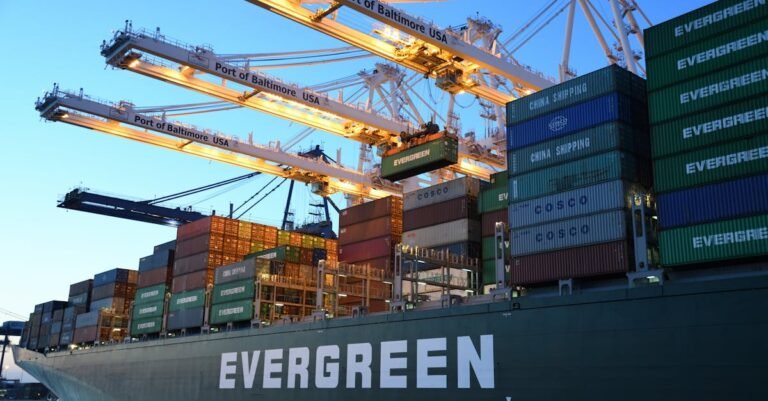
Once upon a time, eating local was just normal. But times have changed big time. Now, we want fresh raspberries in the dead of winter, sushi-grade fish even if we live nowhere near the coast, and real-deal Italian olive oil. Thanks to global deals and some seriously tricky supply chains, that’s totally doable—365 days a year.
Why Do We Import So Much?
Here’s the deal: imports aren’t just about new flavors or cravings. They fill big gaps that we can’t handle alone.
For shoppers, that means more choices and better prices—hello, limes that don’t break the bank, thanks to Mexico. For American farmers, it’s a mixed bag. Imports bring tough competition in some areas like fruits and veggies, but they also open up huge markets overseas for stuff we grow in bulk, like grains.
The Key Players On Your Plate
- In 2023, the U.S. brought in over $200 billion worth of farm products.
- Mexico leads when it comes to fruit and veggies—tomatoes, avocados, berries—you name it.
- Canada’s all about meat, baked goods, and processed foods thanks to our tight supply chains.
- The European Union sends us the fancy stuff—think billion-dollar cheese imports, cured meats, wines, and specialty oils.
The Future Fork on the Road
What’s next? It’s all about balance. People want variety and good prices, so imports probably aren’t going anywhere. But after recent supply hiccups, there’s talk of bringing some production closer to home—near-shoring to Mexico or Canada might edge out long trips from South America or Asia.Related Source
Frequently Asked Questions:
Question: Are US food imports safe?
Answer: Absolutely. Imported foods go through FDA or USDA checks just like homegrown stuff.
Question: Does this hurt American farmers?
Answer: It’s a bit of a double-edged sword. Imports stir competition in certain areas like fresh produce, but they also open huge markets for American exports like soybeans.
Question: Which foods are most imported?
Answer: The big ones are fruits and veggies, seafood (shrimp and salmon are stars here), wine and booze, plus chocolate and snacks.
The global grocery game isn’t going anywhere—it’s just mixing things up. Climate shifts, shipping costs, tech, and what we crave all swirl together to change what’s on our plates each season. New trade deals and harvest challenges are part of the story too. The trick will be keeping these connections strong without dropping the ball, so we have plenty to eat, day after day. Fact is, no matter how much we grow here, we’re always looking beyond our borders for food—and others count on what we produce. That’s just how the modern world spins.