
High School Teaching Program: A Fix for Teacher Shortages?
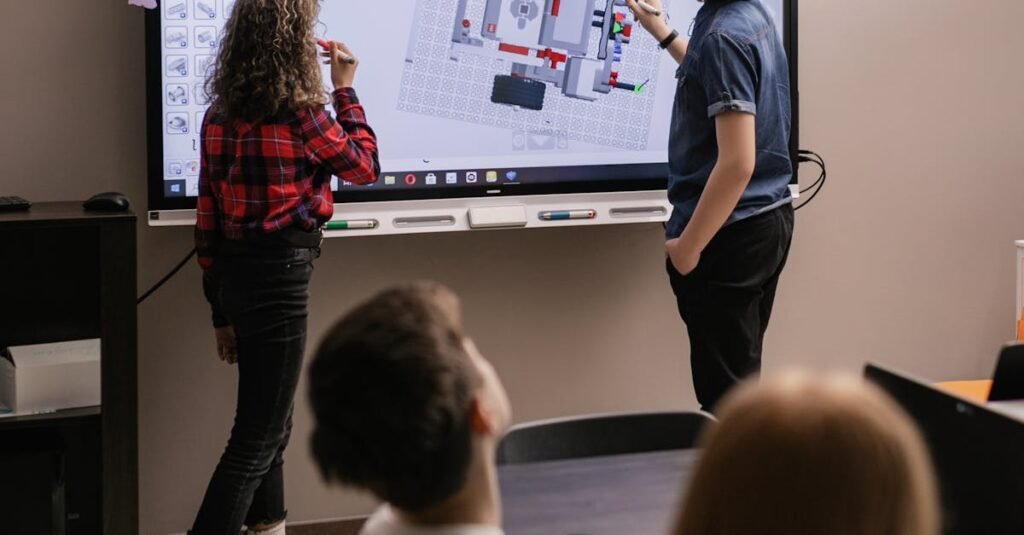
Are we running out of teachers? Sure looks that way. Districts are scrambling, classes are getting bigger, and everyone’s stretched thin. Now there’s a new idea picking up speed, and it starts before college. Lawmakers are backing a high school teaching program that puts teens in real classrooms so they can see the job up close. Not from the back row. In it. Helping. Learning. Messy and real. The goal? Grow the next wave of teachers where they already are.
A New Path into the Classroom
Here’s the big change: many districts now have to offer a program for high school students who want to try teaching. Think of it like a pre-apprenticeship. Students spend time in elementary and middle schools, working with mentors, supporting lessons, running small groups, and picking up classroom management tricks the hard way—by doing. And here’s the kicker: there’s a tuition break if they go on to study education in college. That’s huge.

This didn’t come out of nowhere. We’ve watched the teacher shortage build for years. Burnout. Low pay. Too much pressure. Fewer college students picking education. Districts hiring whoever they can find or packing more kids into each class. This program is a direct answer. Make a clear path. Offer support. Cut costs. Show students what the job is really like, and help them stick with it long term.
Why This Program Could Be a Game-Changer
Let’s be real: asking an 18-year-old to pick a career is a roll of the dice. Plenty of students choose teaching because they like the idea, then hit their first year and think, nope. This program flips that. It gives a real preview while they’re still in high school. The good parts, the tough parts, and all the weird in-between. Try it before you buy it.
The upside is big. Students get clarity and real experience. They walk into college with a base of knowledge most freshmen don’t have because they’ve seen theory play out in actual classrooms. Districts win too. They can spot local talent early, build relationships, and bring those students back to teach in their own communities. That’s a steady pipeline instead of a yearly scramble.
Breaking Down the Details
- Students complete a set internship with weekly hours in a real classroom, guided by a mentor teacher who shows them the ropes.
- There’s tuition abatement. Translation: money off or credits to cut the cost of an education degree at partner colleges.
- It’s not just watching. Students learn child development, teaching methods, and the basics of how schools actually work.
- Many districts now have to offer it by state law. That’s a strong push from the top to fix the teacher pipeline.
- The program also aims to diversify the profession by opening doors to more students who might not have seen teaching as an option.
What’s Next for Aspiring Teachers?
Will it work? Could. But it depends on a few big things. First, mentor teachers need time, training, and pay to do this well. It’s real work. Second, districts need to track results. Do students in the program become teachers? Do they stay longer? If the numbers look good, other states will copy it fast.
Here’s the hard truth: getting more people in the door is great, but we still have to fix the reasons teachers leave—burnout, pay, and respect. This program is a strong start, not the whole fix. If you want to dig into teacher retention ideas, check out this Related Source. The high school teaching program is one piece of a bigger puzzle, and we need all the pieces.
Frequently Asked Questions
What is the main goal of this high school teaching program? Build a pipeline. Give high schoolers hands-on experience and financial help so more of them choose teaching and stick with it.
Who is eligible to participate? Usually juniors and seniors who are interested in education. Most programs ask for a certain GPA and an application.
What are the biggest benefits for students? Real experience, honest insight, and mentorship. Plus, tuition abatement that makes an education degree cheaper and more doable.
This is a solid step toward fixing a real problem. When we invest in students before graduation, we plant seeds that can grow into strong, stable schools. It’s not magic. But it’s smart, it’s practical, and it gives future teachers a clear path—and a fair shot.