
Trying Something New Expands Your Brain & Boosts Focus
What if I told you the secret to feeling happier, sharper, and more focused isn’t a pill or a fancy app, but actually just doing something new? Sounds too simple, right? Well, science is backing this up big time. Trying something new—even just once—can change your brain, spark real joy, and lock you into laser focus. This brain-boosting power of new experiences isn’t some far-off idea; it’s right at your fingertips.
The Neuroscience of Novelty
Recent studies aren’t just looking at hobbies, they’re zooming in on what happens the very first time you try something unfamiliar—like picking up a new language, messing around with an instrument, or trying a sport you’ve never played. Your brain doesn’t just work harder; it actually changes shape. Brain scans show tackling new, tricky skills can beef up gray matter in areas tied to memory and learning. In plain English? Your brain builds fresh connections and grows.

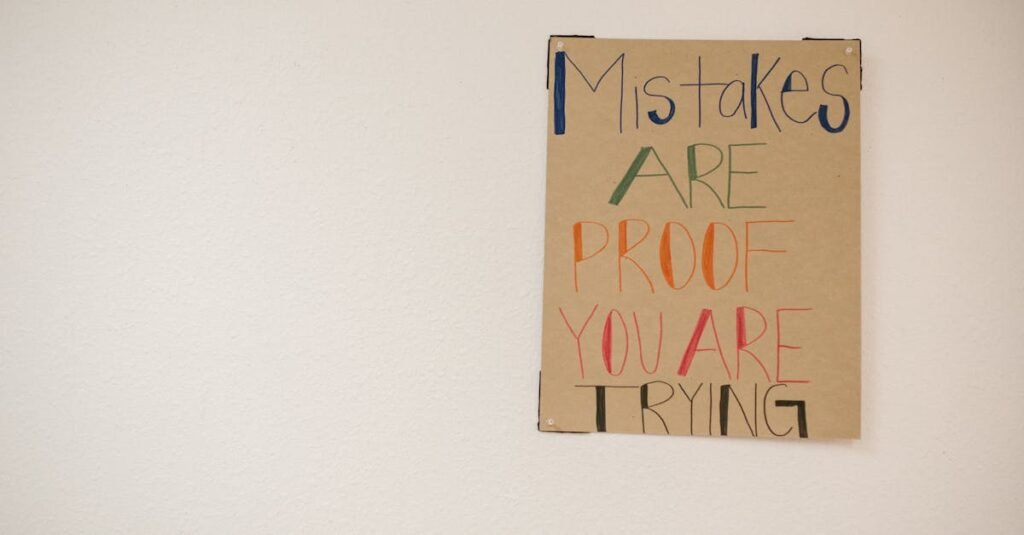
And here’s the kicker: It’s not about mastering the skill. It’s about that awkward, unsure beginner stage. For years, people thought only long practice mattered. Now, focus is shifting to that initial dive. When you don’t know what you’re doing, your brain shakes things up. You stop being robotic and autopilot gets kicked out. That’s where the real magic starts—bringing a flood of mental and brain benefits.
Why This First-Time Focus is a Game-Changer
Let’s be real: life today is all about routines. Wake up, do the same stuff, rinse and repeat. Efficient? Sure. But it’s boring and dulls the mind. Trying something new breaks that loop. Suddenly, you need to pay attention—really pay attention. This pushes you into a deep focus mode, kind of like being in the zone, but for rookies. You get so wrapped up in the task that everything else disappears. Your brain kicks into problem-solving and soaking up new info.
The effects are huge. On a personal level, it clears mental fog and chills out stress by giving your brain a break from daily worries. At work and school, folks are finally catching on. Instead of thinking beginners are slow or unproductive, smart leaders see this phase as brain training. They push for bite-sized learning and trying new skills—not just to get better, but to refresh the mind and build toughness for whatever’s next.
The Documented Benefits of New Experiences
- Picking up a tricky new skill, like juggling or coding, boosts gray matter in parts of your brain that handle memory.
- Being a newbie triggers dopamine—the feel-good chemical—giving you a rush when you make tiny wins.
- When you’re focused on something new, parts of your brain tied to daydreaming and anxiety quiet down.
- Gaining confidence in one new thing often makes you braver about tackling other challenges.
- Trying fresh activities can help build a brain reserve that might protect you from aging effects down the road.
The Future of Deliberate Beginnerhood
What’s next? Expect “novelty” to become a part of how we track our health—like counting steps or meditation minutes. We might even start logging “new skill minutes.” New apps won’t make you an expert overnight; their job will be to guide you through that tricky beginner phase. Mastery isn’t the goal—resetting your brain and growing mentally is.
Look out for more hangouts—both in real life and online—where it’s cool to be bad at something while you learn. The shame of not being perfect will fade as we all figure out how valuable just trying is. Want to geek out on the science behind learning and brain change? Check out this Related Source.
Frequently Asked Questions:
Does it matter what I try? The best stuff is actually new to you and makes your brain work hard. Think chess, pottery, or a musical instrument—not just a different workout routine.
What if I’m terrible and get frustrated? That’s totally normal. Frustration is part of learning. The win is pushing through the rough start. It’s not about being great; it’s about sticking with it until things start to click.
How often should I try new things? No strict rules here, but consistency beats cramming. Trying something new once a week beats doing a two-day crash course every few months. Mix in small new challenges regularly.
The bottom line? Your brain loves a challenge—it thrives on that little buzz of not knowing what’s next. You don’t have to flip your life upside down. Just pick one new thing you’ve never done and jump in. The growth happens when you give it a shot.