
Lake Miltona Photo Captures Easter’s Frozen-Thawed Beauty
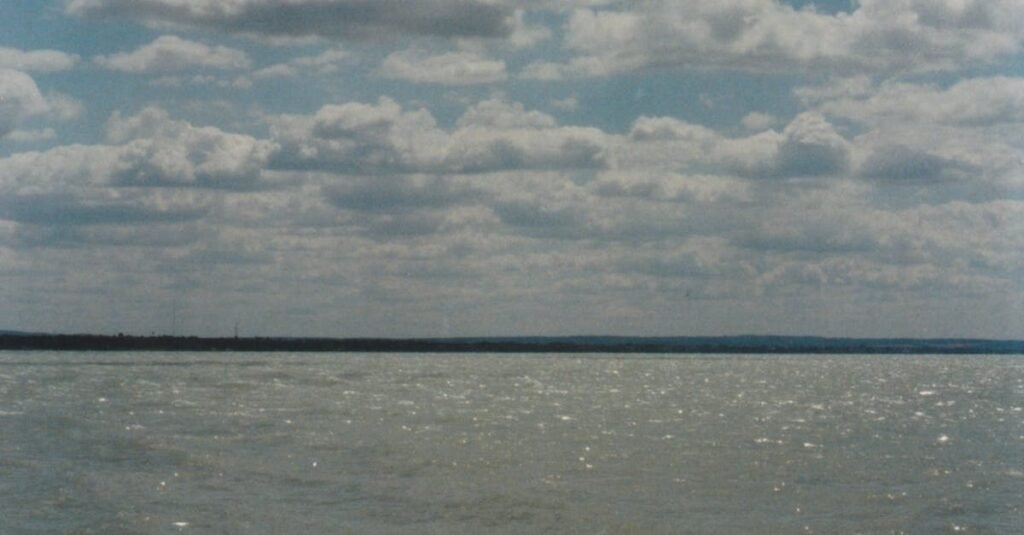
One photo can say a million words about change. Just look at this week’s shot from Lake Miltona. Taken right before sunrise on Easter morning, it’s a killer snapshot of a season doing the slow shuffle from winter to spring. You see snow still gripping the ground, open water calling out to some ducks, and ice still stubbornly holding on in the deeper parts. This Lake Miltona photo? It’s not just a pretty picture. It’s a frozen glimpse of winter and spring duking it out.
The Frozen Moment on Easter Morning
Scott Gilbertson grabbed this scene. His family calls the south side of Lake Miltona home, with an awesome view looking east. On that Easter morning, just before the sun popped up, he spotted the perfect moment. “You can spot the snow on the ground, the ducks swimming in the open bay, and ice hanging tough farther out,” he said. The soft early light bathes everything in cool blues and soft colors, making those differences pop.
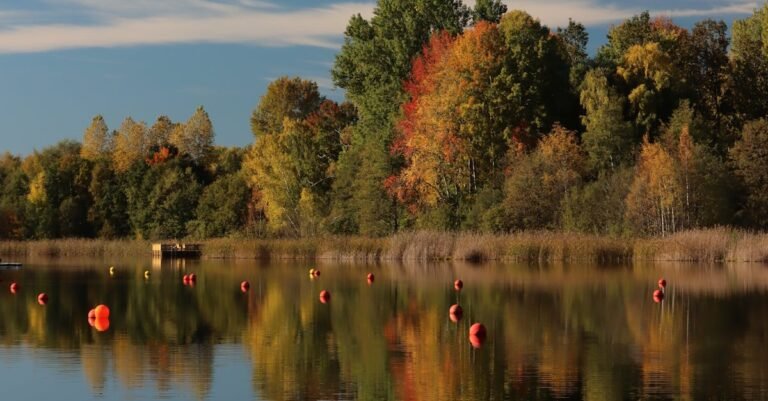
This yearly thaw is no small thing for lake folks. Lake Miltona, like a bunch of Minnesota lakes, turns into a buzzing spot come spring. Everyone watches for the ice-out—it’s basically the kickoff for fishing, boating, and living the lake life. But here’s the kicker: it’s not like flipping a switch. It’s slow and patchy. Shallow spots warm up first, giving little pockets of open water. The deeper stuff? Still ice-covered. This photo nails that awkward, messy in-between.
Why This Lake Photo Matters
Look, photos like this do more than snag awards. They show nature’s rhythm. Folks have been tracking ice-out dates for years, and now those notes help scientists study climate change. A snapshot where snow, open water, and ice hang out together? That’s a real data point, showing how cold the winter was and how spring is creeping in.
For those living nearby, it’s a big deal. That open water near shore is a sneak peek. Soon, docks will pop up, boats will hit the water, and the quiet white will burst into color and noise. Those ducks in the picture? They’re the early guests scouting the scene. For Scott and his neighbors, this view outside their window is like their personal calendar, showing the winter blues are finally loosening their grip.
Key Facts About Seasonal Lake Transitions
- The official “ice-out” means the lake is totally free of ice and you can boat all the way across.
- The shallow, protected bays go ice-free first because they soak up the sun faster than the deep spots.
- Ducks and other water birds rely on these early open areas to rest and snack on their journey north.
- Some communities have been tracking ice-out dates for over 100 years, giving scientists goldmine info on climate trends.
- The transition isn’t always safe—rock-solid ice near shore can turn “rotten” and break under you, even if the ice farther out looks thick.
What Comes After the Thaw?
So what’s next? Every day, that ice in the photo will pull back a bit more. Snow will melt off the lawn. Open water will stretch until the whole lake sparkles blue. That’s when everything kicks off—fishermen chase walleye, sailboats glide by, and kids dare each other to touch that still-freezing water. The lake wakes up, and so does the whole community.
Snapping these moments is kinda a tradition around here. Local papers run “Photo of the Week” contests to show off the best shots and the unique beauty right outside our doors. Got a great picture? You should totally send it in. You can check out past winners over at the Photo of the Week photo gallery. Who knows? Maybe your photo will be next to tell a story of change.
Frequently Asked Questions
Why does a lake thaw unevenly? Mostly because of sunlight and depth. Shallow, dark-bottom bays soak up heat faster. Wind helps too by cracking and moving ice around. Sheltered spots stick with ice the longest.
What’s the big deal about ice-out? It’s both a practical and fun marker. It signals when you can safely boat and fish. It also tells when wildlife starts their routines again. Plus, it’s a simple way to measure how long winter really lasted.
How do I safely shoot a thawing lake? Stay on solid ground, no matter what. Never trust ice during the melt. Use a zoom lens to get the shots from afar. Early mornings and late evenings have the best light—just like in this Easter morning photo.
That quiet Easter morning at Lake Miltona gave us a perfect peek at change. Change is rarely neat or tidy. It’s messy, colorful, and happens one melting patch at a time. Keep your camera nearby—you never know when that perfect moment will show up between seasons.